

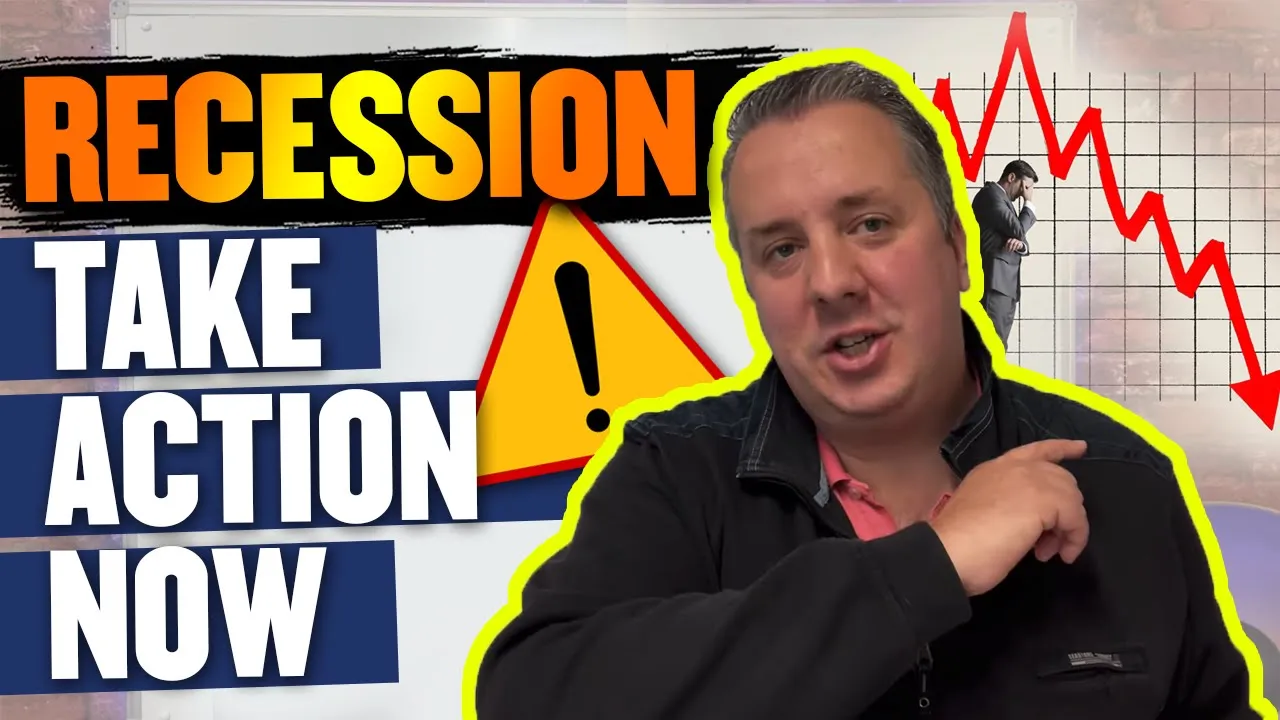
How to prepare for a recession as property investors? First off, don’t be scared recessions come and go and you can do just fine if you prepare. In this blog, I deep dive into what property investors should do to protect themselves and their assets.
Many economists feel that the next recession is coming, but how severe will it be?
Some experts are optimistic that this will not be a repeat of the Great Recession, which lasted from 2007 to 2009. One reason for this is indications of healthier household balance sheets. The COVID-19 pandemic prompted people to stay at home, resulting in larger savings accounts. There weren’t many places to spend money without restaurants, hotels, and other forms of entertainment.
1. Pay attention to interest rates
Interest rates are typically a reliable measure of our economy’s health. The cap rate, which refers to the rate of return on investment property, rises in tandem with interest rates.
Because each investor’s portfolio is unique, rising interest rates will affect them differently. If you want to sell, you may make a lot of money. Borrowing to make a purchase, on the other hand, will cost you extra. Additionally, higher interest rates can benefit you if you have the ability to raise rentals on properties you already own. Rising interest rates, in general, result in fewer people being able to qualify for a mortgage. As a result, more people are looking for high-quality, long-term rentals.
2. Buy without compromising
If you do have the opportunity to purchase in a falling market, make certain you are not compromising.
Every investor has specific criteria they are looking for. Invest only if you can find exactly what you’re looking for, whether you need to diversify your portfolio or grow into other areas.
Continue to look for red flags before completing a purchase, and always conduct comprehensive inspections. If something appears to be too good to be true, it most likely is.
3. Pay off high-interest debt
Another crucial financial step to make when a recession is on the line is to pay off as much high-interest debt as possible. Because you never know how long the economic slowdown will persist, you should make the most of the money you have available for living expenses and investments.
Bottom line:
Regardless of how it plays out or how quickly it occurs, it is critical to prepare for the consequences. Preparation is crucial to thriving amid an economic crisis. Fortunately for real estate investors, there are several learning from the last recession that may assist you through the next one.

Download NOW
4 Simple Steps To Becoming Wealthy Through Property