

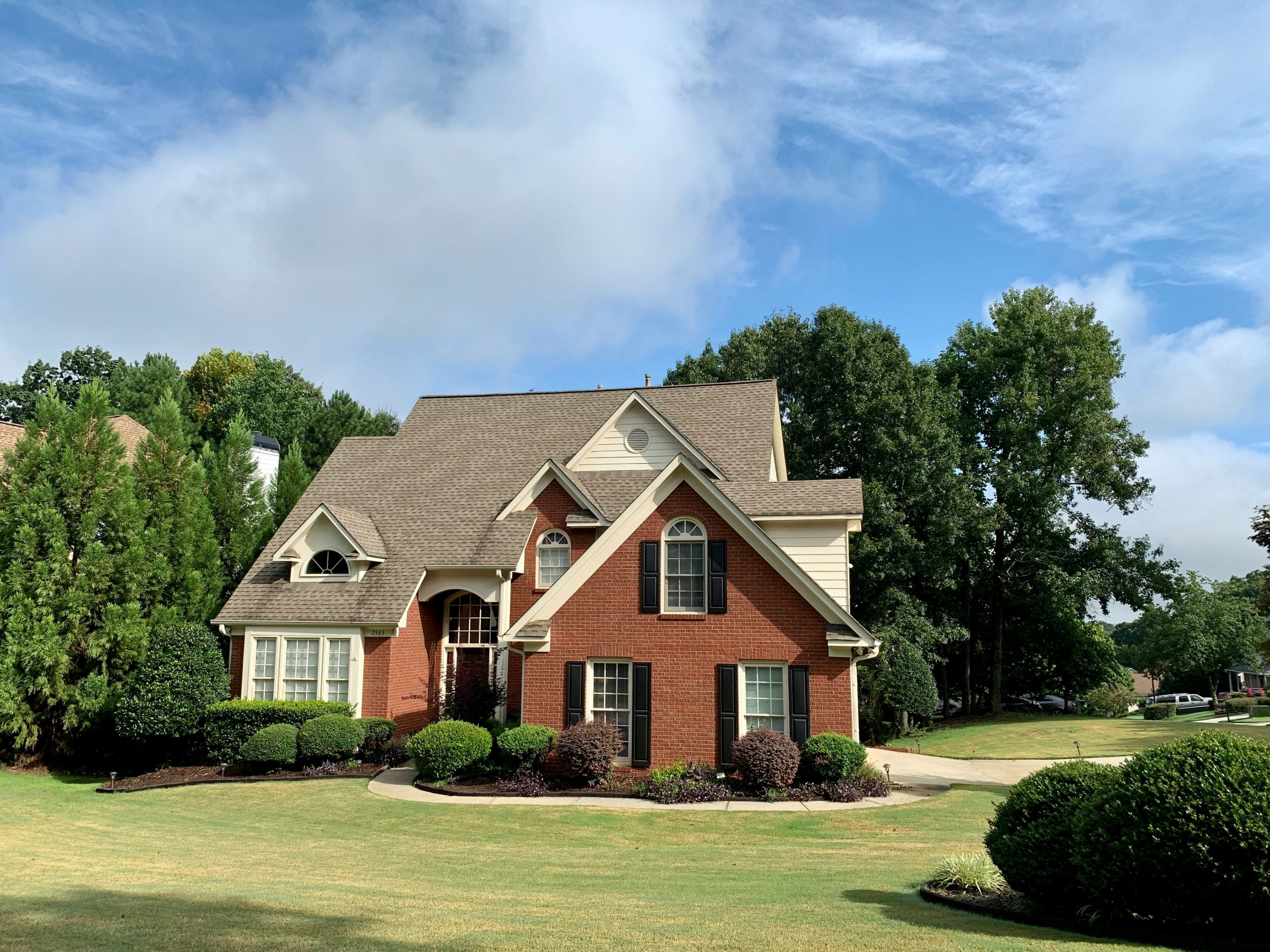
Who Is Responsible For The Roof In A Leasehold Flat?
The short answer: in almost all UK leasehold flats, the freeholder (or the management company acting for them) is responsible for repairing and maintaining the roof — but the leaseholders pay for the work through the service charge. Your individual lease is the document that confirms this, and it should also tell you how costs are split between flats and what consultation the freeholder must do before spending your money.
This page covers the main scenarios I get asked about: who pays, what to do if the roof is leaking, when the freeholder must consult you under Section 20 of the Landlord and Tenant Act 1985, what changed under the Building Safety Act 2022, and what the new Leasehold and Commonhold Act means in practice.
In almost all leasehold flats, the roof is the freeholder’s responsibility (or the management company acting for them), because the roof is part of the building structure they own. You pay for it indirectly through your service charge, and for major works the freeholder must run a Section 20 consultation before billing you. Always check your specific lease — a top-floor demise can occasionally shift roof liability onto you.
Freeholder vs leaseholder vs management company — who’s actually on the hook?
A flat in England or Wales is almost always sold as a leasehold, which means you own a long-term right to occupy the flat (typically 99-999 years) but you don’t own the building. The freeholder owns the building and the land. In bigger blocks, day-to-day responsibility is often delegated to a residents’ management company (RMC) or a managing agent, but the legal duty still flows from the freeholder downwards.
For the roof, this normally means:
- Freeholder/management company: arranges the work, hires the contractor, manages the consultation process, and is legally responsible if the roof fails to a standard that breaches the lease.
- Leaseholders (you): contribute to the cost via service charges. The split is usually equal between flats, or proportional based on flat size — your lease specifies which.
- The top-floor flat owner: contributes the same as everyone else. There is no rule that says the top-floor leaseholder pays more just because they’re physically nearest the roof. The roof is “shared” structure.
If your block doesn’t have a separate management company, the freeholder handles it directly. If you’re in a “right to manage” (RTM) block, the RTM company has stepped into the freeholder’s repairing shoes for most maintenance purposes, including the roof.
Leasehold homes: what you ARE responsible for inside your flat
Even though the roof itself is the freeholder’s concern, you’re still responsible for almost everything inside your front door. That includes:
- Internal plumbing and wiring
- Plasterwork, ceilings (the underside, not the roof structure above), floorboards
- Paintwork and decoration
- Furniture and appliances
- Wear and tear
The dividing line is usually defined in the lease as “demised premises” (yours) versus “retained” or “common” parts (theirs). If you’re unsure, look at the section of the lease titled “Repairing Obligations” or similar — it will list who is responsible for what.
What if the roof is leaking into my flat? Step-by-step
This is the question I get most often, especially from top-floor leaseholders. The answer is the same whether you’re a homeowner or a buy-to-let landlord:
- Document the damage immediately — photos, video, dated. Note the time the leak started and any subsequent escalation.
- Notify the freeholder or managing agent in writing the same day. Email is fine; keep a copy. Be specific: “Water is coming through my ceiling above the bathroom, suspected roof leak, location of flat is X, please attend urgently.”
- Take reasonable steps to limit further damage — buckets, move furniture, turn off electrics if water is near light fittings. The freeholder’s insurance is more likely to pay out cleanly if you’ve done this.
- If you’re a buy-to-let landlord, also notify your tenant of next steps and arrange any temporary accommodation if the flat becomes uninhabitable. Your landlord insurance loss-of-rent cover may apply.
- Make a claim against the buildings insurance — this is held by the freeholder and the premium is paid by leaseholders through the service charge. Damage to the structure should be covered. Damage to your contents will need to come off your own contents insurance.
- If the freeholder doesn’t act within a reasonable time (usually 7-14 days for a leak; sooner for major water ingress), you can apply to the First-tier Tribunal (Property Chamber) for an order requiring the works, or in extreme cases, do the work yourself and recover the cost. Get legal advice before taking the second option — it’s procedurally tricky.
Section 20 consultation — when the freeholder must ask before spending
Roof works are often big-ticket items. The protection for leaseholders here is Section 20 of the Landlord and Tenant Act 1985. The freeholder must formally consult leaseholders before:
- Carrying out any single piece of work that costs more than £250 per leaseholder, or
- Entering into a long-term agreement (over 12 months) where any leaseholder’s contribution exceeds £100 per year.
The consultation is done in stages: a Notice of Intention, an opportunity for leaseholders to nominate contractors and provide observations, then a Notice of Estimates with at least two quotes. If the freeholder skips this and just bills you, the contribution any leaseholder owes can be capped at £250 — even on a £50,000 roof job.
If you’re presented with a service charge demand for major roof works and you weren’t properly consulted, contest it at the First-tier Tribunal. Landlords commonly trip over this and most leaseholders never realise they have the right.
How much does roof repair cost in a leasehold block?
Realistic 2026 ranges, based on what I see across portfolios:
- Patch repair to flashing or a small leak: £400-£1,500 total job (often split across leaseholders, so £100-£500 each in a small block)
- Replacing a section of pitched roof tiling: £3,000-£8,000
- Full re-roof of a small Victorian conversion (4-6 flats): £18,000-£35,000
- Flat roof replacement on a 1960s purpose-built block: £25,000-£60,000+ depending on size and access
- Cladding-related roof works post-Building Safety Act: can run into hundreds of thousands; protections under the Act limit some of this falling on leaseholders
If a quote your freeholder presents seems wildly out of line with these ranges, ask for the breakdown and use the Section 20 right to nominate an alternative contractor.
Building Safety Act 2022 — what changed for roof and structure
For “higher-risk buildings” (broadly: residential buildings of 18 metres or 7+ storeys), the Building Safety Act 2022 created a new safety regime. The Act also brought in important leaseholder protections relating to historical building safety defects, including roof and cladding fire-safety issues:
- Qualifying leaseholders cannot be charged for the cost of removing dangerous cladding on their building.
- For non-cladding fire-safety defects (which can include roof structure compromised by combustible materials), leaseholder contributions are capped — typically £10,000 outside London, £15,000 inside, spread over 10 years, and only for higher-value flats.
- Freeholders with net worth above £2m per relevant building are required to fund non-cladding remediation themselves.
If your block has structural fire-safety issues that touch the roof, take advice before paying any service charge demand for remediation — the protections under the Act often apply even when the freeholder doesn’t volunteer them.
Leasehold and Commonhold Act — has anything actually changed for roof responsibility?
The Leasehold and Commonhold Act made several changes to leaseholder rights, but the day-to-day question of “who is responsible for the roof” is still answered by your lease and Section 20. The Act’s main relevance to roof and major works is:
- Service charge transparency: freeholders must now provide standardised annual statements showing what was spent and why. This makes it easier to spot inflated roof works.
- Easier extension and enfranchisement: the Act made it cheaper for leaseholders to extend their lease or buy the freehold collectively. If a freeholder is being negligent on roof repair, a collective enfranchisement (buying the freehold together with other leaseholders) becomes a more realistic remedy in 2026 than it was before.
- Right to manage threshold lowered: the qualifying threshold for taking over management of your block via an RTM company has changed — making it easier for leaseholders to take roof and structural decisions out of an unresponsive freeholder’s hands.
If your block has chronic roof problems and the freeholder won’t engage, RTM or collective enfranchisement is now a more practical path than it used to be.
How to report problems to the freeholder properly
Freeholders generally do not conduct regular inspections of the roof. The duty to notify falls on you. Always:
- Notify in writing (email is fine — paper trail matters).
- Specify what’s wrong, when it started, and what damage has occurred.
- State the urgency and any safety risk.
- Date your notice and keep a copy.
- Follow up after 7 days if there’s been no acknowledgement.
If the freeholder ignores you and damage worsens, your written record becomes the evidence you’ll need at the Tribunal or in any insurance dispute.
What if my neighbour’s flat caused the damage to mine, not the roof?
If water is coming through your ceiling but the roof is fine, the source may be the flat above (a leaking shower, washing machine, radiator, etc.). In that case:
- Your neighbour (or their landlord, if it’s a let property) is liable for the damage caused.
- The freeholder’s buildings insurance may still cover repair to the structure even if the cause was internal.
- If communication with the upstairs flat owner fails, escalate to the freeholder or managing agent — they often have leverage you don’t.
- Legal recourse exists if needed, including injunctions or small claims.
Can I rent out my leasehold flat? (UK landlord rules in 2026)
Most UK leasehold flats can be let to tenants — but the answer depends entirely on what your lease says. The lease is a private contract between you and the freeholder, and freeholders have very different attitudes to sub-letting. Read the lease before you assume.
The three categories of lease, by sub-let rules
- “No restriction on sub-letting” — Older long residential leases (often pre-1990) frequently allow letting without any consent required. You can sign an Assured Shorthold Tenancy with a tenant and start renting straight away.
- “Sub-letting permitted with freeholder consent (not to be unreasonably withheld)” — The most common modern wording. You must apply in writing for consent before letting, pay a fee (typically £80-£250 per let, sometimes more for high-end developments), and provide a copy of the tenancy agreement. The freeholder can’t refuse unreasonably, but they can attach sensible conditions (no HMO use, no short-term holiday lets, AST only, etc.).
- “Sub-letting prohibited” or “owner-occupier only” — Rare on standard residential leases but common on retirement, sheltered or new-build covenanted blocks. If your lease prohibits sub-letting, you cannot legally rent the property out without first applying for a deed of variation — which the freeholder doesn’t have to grant.
Standard freeholder fees when sub-letting your leasehold flat
If your lease requires consent, expect these typical 2026 fees:
- One-off consent fee: £80-£250 per let (Tribunal challenges have capped some of the most egregious fees, but £150 is typical).
- Notice of letting fee: £40-£100 to register each tenancy with the freeholder’s records.
- Deed of variation (if needed to change a sub-letting clause): £500-£2,500 plus the freeholder’s legal fees, which you usually have to cover.
- Annual sub-letting administration fee: some leases bake in an ongoing yearly charge of £50-£200 while you’re letting.
These fees are recoverable from the leaseholder under most lease terms. If you think they’re unreasonable, you can challenge them at the First-tier Tribunal (Property Chamber), which has reduced excessive freeholder fees in dozens of recent cases.
Short-term lets (Airbnb / serviced accommodation) on a leasehold flat
This is where most landlords get caught out. Even if your lease permits sub-letting to assured shorthold tenants, short-term lets are almost always treated as a separate use class in the lease wording — and most modern flats explicitly prohibit Airbnb-style holiday lets. Common lease clauses I see:
- “Private residence only” covenants — Airbnb is a business use, not private residence, and these clauses are increasingly being enforced.
- “No use as a hotel, boarding house, or for short-term letting” — explicit modern wording.
- “Minimum let of 6 months” — disqualifies Airbnb, holiday lets, and most serviced accommodation models.
I’ve watched leaseholders receive injunctions and damages claims from freeholders after operating Airbnbs in breach of their lease. The penalties are real. If you want to do short-term lets, ask the freeholder for written permission in advance, or buy a freehold property where the use is up to you.
Your obligations as a leasehold landlord
Sub-letting doesn’t transfer your obligations under the lease — you remain responsible to the freeholder for everything the tenant does. That means:
- You’re liable for any damage your tenant causes to the building or common parts
- You’re still personally responsible for service charges, ground rent and Section 20 contributions
- You must include lease-mirror clauses in your AST (e.g. “no pets” if your lease bans pets, “no smoking” if your lease bans smoking)
- You still need landlord buildings insurance (or to verify the freeholder’s policy covers let units), gas safety certs, EPC, electrical safety certs and the right-to-rent checks
Renting a leasehold flat is perfectly viable, but treat the lease as the rulebook and the AST as a sub-set of those rules. Get both right and you have a clean letting business; get them wrong and you’ve created a multi-year legal headache that destroys what should have been a simple BTL.
Quick FAQ
Do I have to pay for roof works even though I don’t own the top flat?
Yes, in nearly all cases. The roof is shared structure and all leaseholders contribute via the service charge, regardless of which flat they’re in. Your lease confirms the split.
Can I refuse to pay if I think the cost is unreasonable?
You can challenge it at the First-tier Tribunal. If proper Section 20 consultation wasn’t done, your liability can be capped at £250 regardless of the actual cost.
Does the freeholder have to use the cheapest contractor?
No. They have to use a “reasonable” contractor and consult you on at least two quotes. You have the right to nominate one yourself.
What if the freeholder is also a leaseholder (e.g. converted Victorian house, flat 1 owns the freehold)?
The same rules apply. The flat-1 owner has freeholder duties for the structure including the roof, even if they live there. They can’t shift the duty by also being a flat occupier.
Does my buildings insurance cover roof repairs?
Buildings insurance (held by the freeholder, paid for by leaseholders) covers damage from insured perils — storm, fire, escape of water. It does not cover wear-and-tear repairs. Major roof works due to age fall on the service charge.
Related Property Accelerator guides
What happens when a leasehold expires? — full guide to short leases, extensions, and the end-of-lease process.
How to change leasehold to freehold in the UK — step-by-step on collective enfranchisement, costs, and timelines.
Easy guide to lease options — a different lease-based investing strategy for landlords.
Best types of property investment — how flats compare to other UK investment property strategies.
It’s also worth knowing whether you pay stamp duty on a lease extension before you start.
About the Author — James Nicholson
James Nicholson is the founder of Property Accelerator and has been investing in UK property since 2003, with hands-on experience across single-lets, HMOs, and serviced accommodation. James has built and managed leasehold portfolios, navigated multiple Section 20 consultations, and advises new landlords on lease analysis before purchase. More about James →
Frequently asked questions
Who is responsible for the roof in a leasehold flat?
In the vast majority of leases the freeholder (or their managing agent) is responsible for the roof, because it is part of the building structure they own and insure. Leaseholders contribute to repair costs through the service charge.
Do I have to pay for roof repairs on my leasehold flat?
Usually yes, indirectly, through your share of the service charge. For major works costing more than £250 per flat, the freeholder must first run a Section 20 consultation giving you the right to comment and see estimates.
What if the freeholder will not fix a leaking roof?
You can demand action in writing, escalate to the First-tier Tribunal (Property Chamber), and in serious cases apply to appoint a new manager. Document the leak and any damage from day one.
Can the roof ever be the leaseholder responsibility?
Occasionally. A top-floor flat whose demise explicitly includes the roof space can carry roof liability. It is rare, but it is exactly why you must read your specific lease rather than assume.

Download NOW
4 Simple Steps To Becoming Wealthy Through Property