

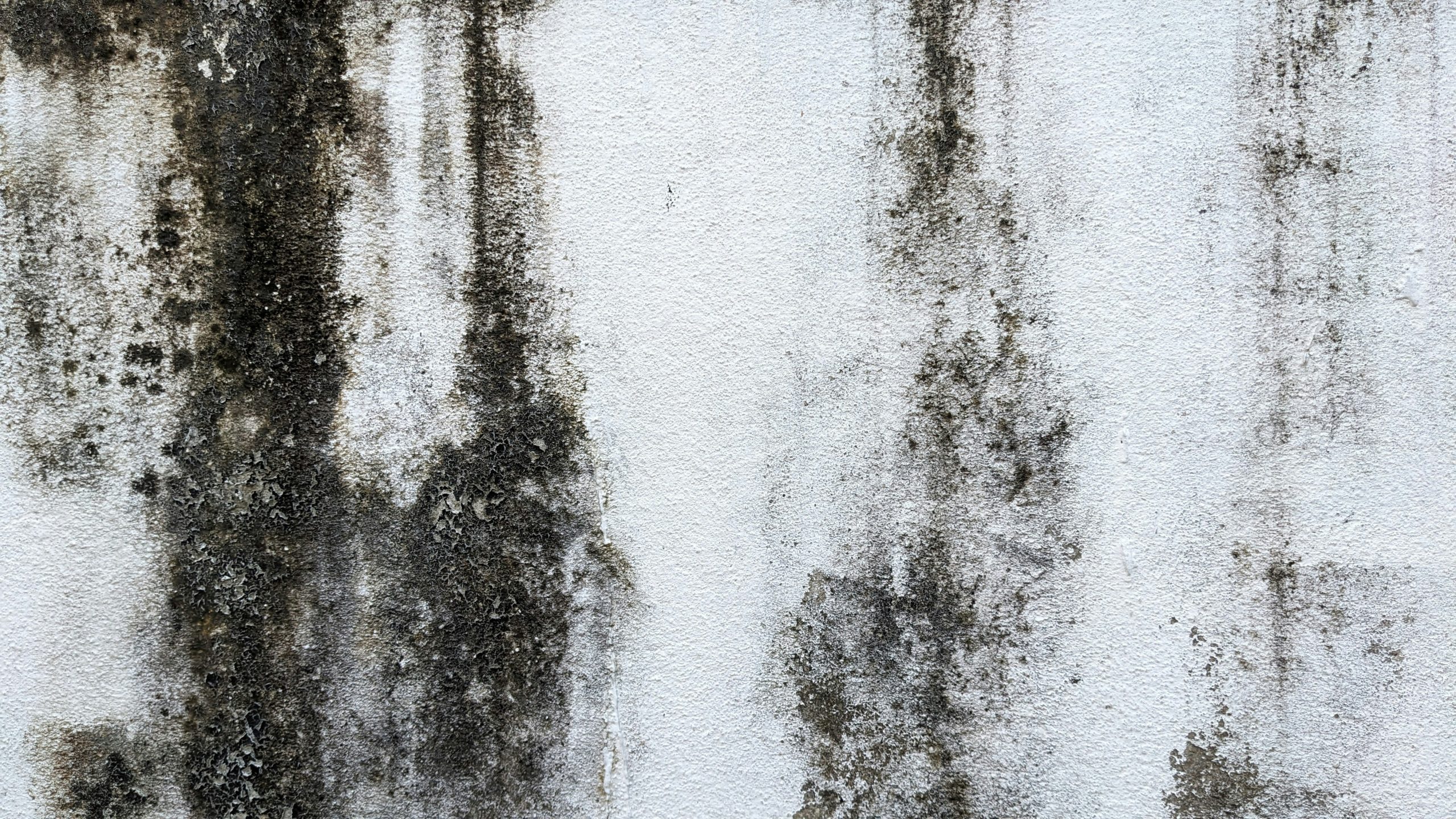
The UK Government has confirmed that landlords could face immediate fines of up to £7,000 for serious housing hazards, including severe damp and mould, as part of a wider crackdown on poor rental conditions.
The measures, introduced under the Renters’ Rights Act from Monday 22 June, are designed to give local councils stronger powers to act quickly against unsafe housing in the private rented sector.
New penalties for unsafe rental conditions
Housing Secretary Steve Reed has written to councils across England urging them to make full use of their new enforcement powers to improve standards in rented homes and protect tenants.
He said renters should be able to live in safe and secure housing, adding that the new legislation gives councils faster routes to take action against landlords who fail to maintain acceptable living conditions.
Under the updated rules, councils will be able to issue fines of up to £7,000 where severe hazards are identified. These include 21 of the most serious risks to health and safety.
Alongside damp and mould, the penalties also cover issues such as faulty electrics, fire hazards, unsafe building structures, freezing temperatures due to heating failures, and dangerous property layouts.
The government has also specifically included broken boilers during cold weather as a condition that could trigger enforcement action.
These penalties sit alongside existing council powers, which include ordering landlords to carry out urgent repairs, arranging emergency works where necessary, and recovering costs directly from landlords who fail to comply.
Government aims to improve rental standards
Officials say the new approach is intended to speed up enforcement and reduce the number of tenants living in unsafe or unhealthy homes.
The reforms form part of a wider effort to raise standards in the private rented sector and ensure landlords take greater responsibility for property conditions.
Housing Secretary Steve Reed said the changes would help councils respond more effectively to serious hazards and take swift action where tenants are at risk.
Tenant and campaign group reactions
The announcement has been broadly welcomed by housing campaigners and tenant advocacy groups, who argue the changes are long overdue.
Ben Twomey, chief executive of Generation Rent, said renters should not be forced to live in unsafe conditions such as damp and mould, describing stronger enforcement powers as an important step forward.
He added that councils must now actively use these new powers to identify landlords who neglect their responsibilities and profit from poor housing conditions.
Clara Collingwood of the Renters’ Reform Coalition also supported the changes, stating that many renters have long lived in substandard accommodation that can negatively impact health, particularly for vulnerable households and children.
She said stronger enforcement rights should now be matched by action from both councils and tenants, especially since renters are now better protected following the removal of Section 21 evictions, which previously allowed landlords to remove tenants without reason.
Updated HHSRS rules to support enforcement
Alongside the new fine regime, the Government has also announced updates to the Housing Health and Safety Rating System (HHSRS).
The changes are intended to improve how housing hazards are assessed and enforced, allowing councils to respond more quickly to issues such as damp, fire risks and unsafe electrics.
Officials believe the updated system will make enforcement more effective and help ensure that dangerous living conditions are dealt with before they escalate.
What the changes mean going forward
The introduction of stronger penalties and updated enforcement tools signals a more assertive approach from the Government towards regulating rental housing standards.
Landlords will now be expected to act more quickly on property maintenance issues, particularly where tenant health and safety is at risk.
At the same time, councils are being encouraged to take a more proactive role in identifying and addressing poor housing conditions.
As these reforms take effect, their impact on landlord behaviour and overall rental standards is expected to become clearer in the months ahead.
 New Fines for Damp and Mould Issues

Download NOW
4 Simple Steps To Becoming Wealthy Through Property