

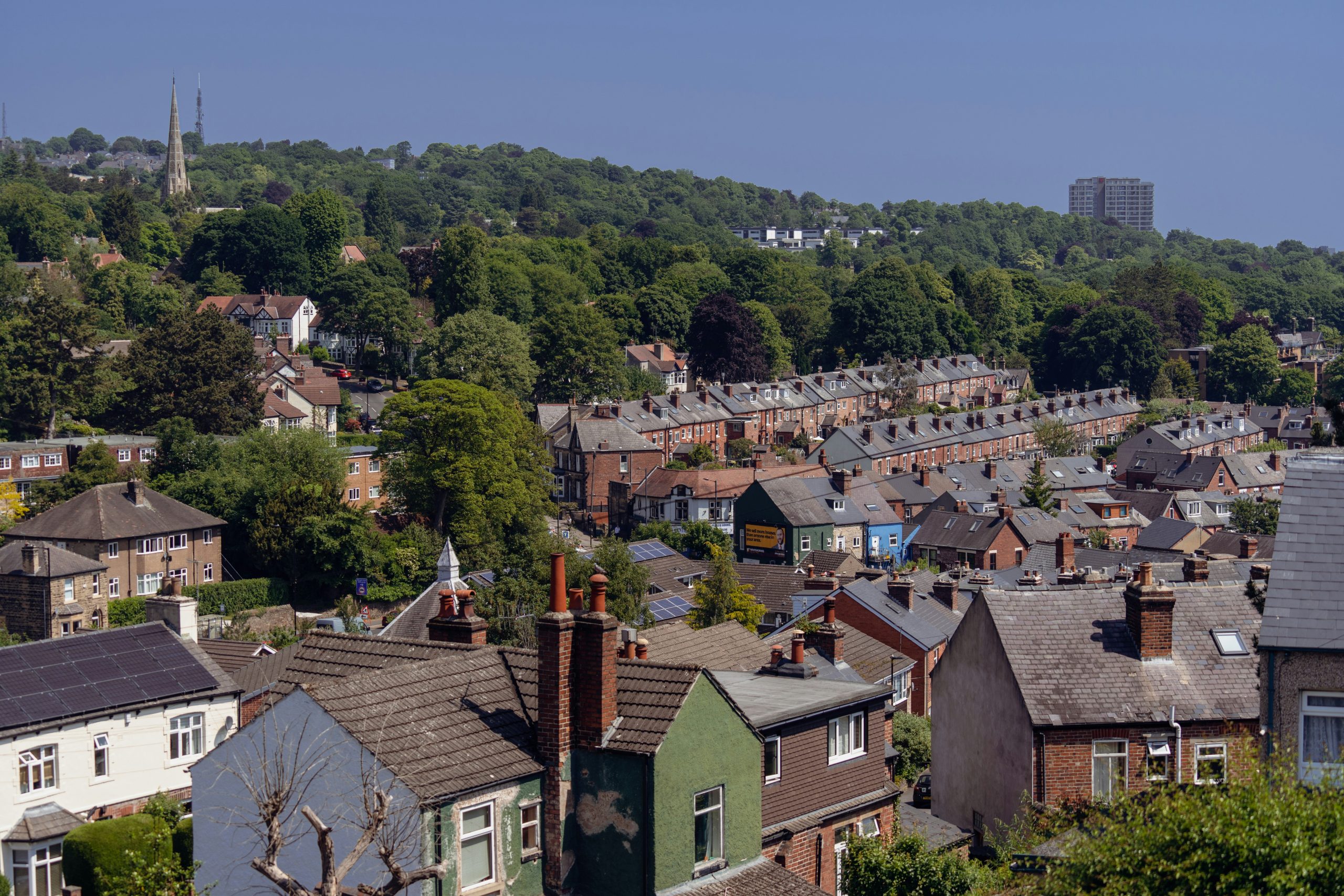
House price growth has been far from consistent across the UK over the past five years, with new research revealing that only a small proportion of homes have increased in value every year since 2022.
According to Zoopla, just 14% of UK homes – around 4.2 million properties – recorded annual price growth in every June between 2022 and 2026. The property website analysed individual home valuations over a five-year period, comparing each property’s value in June against the same month in the previous year to identify homes that achieved uninterrupted annual growth.
While consistent yearly increases were relatively uncommon, the wider housing market still performed well overall. Zoopla’s House Price Index found that the average UK property has increased in value by 15.3% over the past five years, adding approximately £36,100 to the typical home. However, those gains were not spread evenly, with many properties experiencing periods of slower growth or temporary declines before recovering.
Regional Markets Continue to Outperform
The strongest house price performance came from more affordable parts of the UK, particularly Northern Ireland, northern England and Scotland.
According to Zoopla, homeowners in these areas have continued to build equity despite higher borrowing costs, as local markets have been less affected by affordability pressures caused by rising mortgage rates.
Richard Donnell, Executive Director at Zoopla, said local housing markets have responded very differently to higher interest rates over recent years. He explained that national or regional averages often fail to reflect what is happening in individual neighbourhoods or with specific property types.
He also noted that understanding how prices have performed in a particular area is far more useful for homeowners than relying solely on broader market averages, especially when planning a move or assessing future buying power.
Mortgage Rates Have Changed the Market
The housing market has undergone significant changes since 2021, when mortgage rates were close to historic lows.
As borrowing costs increased over the following years, affordability became a much bigger challenge for many buyers. This had a greater impact in higher-priced parts of the country, where larger mortgages became more expensive.
More affordable regions were better insulated from these pressures, allowing demand to remain stronger and helping property values continue to grow.
Research from Connells Group also highlighted how the UK housing market has become increasingly fragmented. It found that lower-priced markets across northern England, Scotland and Northern Ireland have generally delivered stronger performance than many southern regions.
During the pandemic, many buyers moved towards larger homes in commuter locations outside London, boosting prices across parts of southern England. However, that momentum slowed considerably once mortgage rates increased and temporary Stamp Duty incentives came to an end.
Latest ONS Figures Show Growth Slowing
Separate figures released by the Office for National Statistics (ONS) show that UK annual house price inflation slowed to 2.7% in the 12 months to May 2026, down from 3.9% in April.
The average UK home is now valued at around £271,000.
Across the nations, average property prices reached:
- England: £292,000 (2.3% annual growth)
- Wales: £215,000 (4.2% annual growth)
- Scotland: £196,000 (4.4% annual growth)
- Northern Ireland: £198,000 (7.4% annual growth during the first quarter of 2026)
Within England, the North East recorded the strongest annual house price inflation at 5.9%, while London continued to struggle, with prices falling by 3.7% compared with a year earlier. This marked the ninth consecutive month of annual house price declines across the capital.
The ONS attributed the slower rate of house price growth partly to the impact of Stamp Duty changes introduced in England and Northern Ireland during 2025. Following a surge in activity before those changes, the market has naturally cooled.
Buyers Becoming More Cautious
Higher mortgage rates continue to influence buyer behaviour across the UK.
Zoopla recently reported that buyer enquiries are around 20% lower than they were a year ago, while agreed sales have fallen by approximately 7%. Political uncertainty, elevated borrowing costs and wider economic pressures have all contributed to a quieter summer housing market.
Although inflation eased to 2.6% in June, offering some encouragement for borrowers, many lenders have recently increased mortgage rates due to rising swap rates and ongoing uncertainty in financial markets.
Mortgage experts say buyers should avoid rushing into decisions but should also keep a close eye on mortgage products, as rates can change quickly. Many lenders still allow borrowers to switch to a cheaper deal before completion if rates improve, providing both flexibility and peace of mind.
What This Means for Homeowners
The latest research highlights that property performance depends heavily on location rather than national averages.
Some regions have continued to see steady growth despite economic challenges, while others have experienced slower price increases or falling values.
For homeowners considering selling or moving, understanding local market conditions is becoming increasingly important. Buyers, meanwhile, are placing greater emphasis on affordability as higher borrowing costs continue to shape purchasing decisions.
Although the UK housing market remains resilient overall, future price growth is likely to vary significantly between regions as mortgage costs, inflation and economic conditions continue to evolve.


Download NOW
4 Simple Steps To Becoming Wealthy Through Property